
 The sensory environment of your workspace affects your concentration more than most people admit.
How to Share a Home With Your Work Without Losing the Room
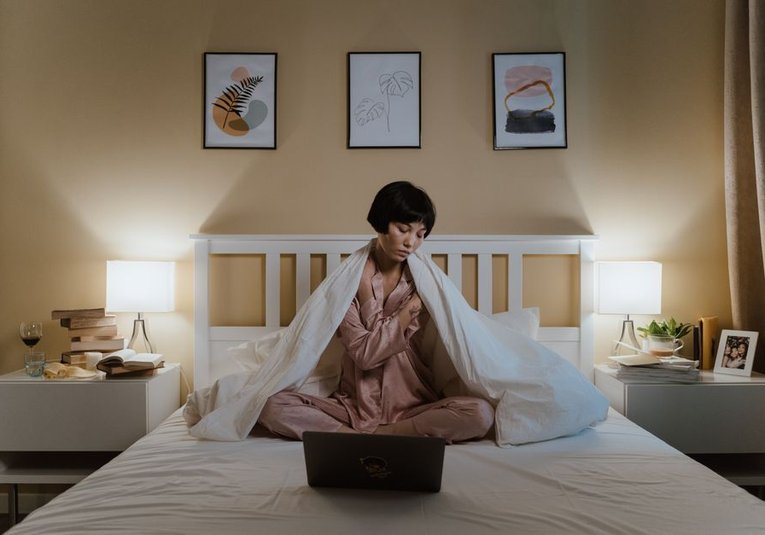
One of the quietest challenges of remote work is not focus or productivity. It is real estate. When your kitchen table doubles as a conference room and your couch doubles as a break room, the line between work and life gets blurry fast. You do not need a spare bedroom to fix this, but you do need a few deliberate boundaries.
The goal is not to build a wall. It is to give your brain a clear signal that work has a place, and that place is not everywhere. Even in a studio apartment, you can create that signal with a handful of small choices.
Give Work a Home Base, Even a Tiny One
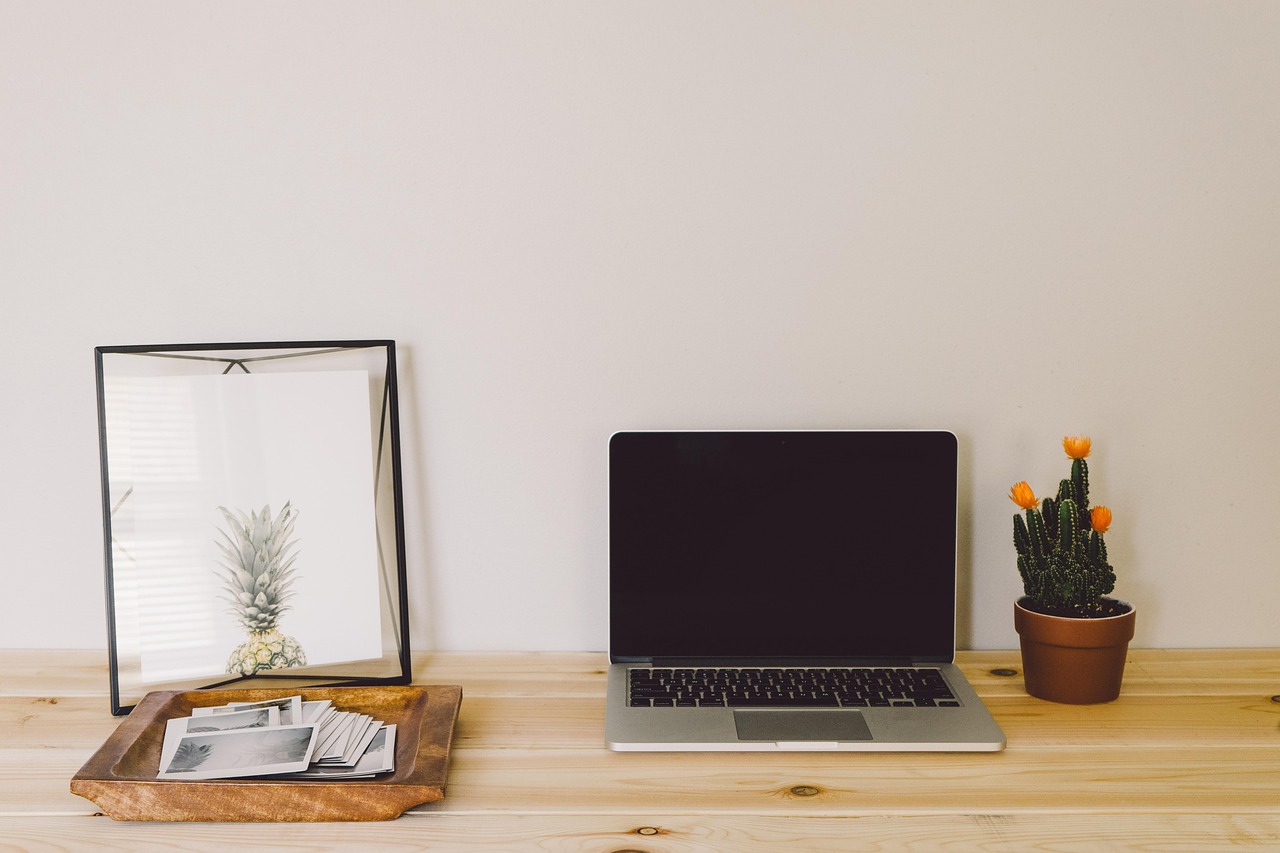
If you have a dedicated desk, great. If you do not, pick one surface and make it the work surface. It could be a corner of a dining table, a folding table by a window, or a lap desk that lives in a specific spot. What matters is consistency. When you sit there, you are at work. When you leave, work stays behind.
A container helps too. A bin, a drawer, or a tote bag that holds your laptop, notebook, and charger gives your setup a physical boundary. At the end of the day, everything goes in the container and the container goes out of sight. This one habit does more for work-life separation than most people expect.
If your space truly has no room for a permanent setup, consider a rolling cart. You can wheel it out when you start and wheel it away when you stop. It is not glamorous, but it works, and it keeps your living space feeling like living space.
Use Sound and Light to Mark the Shift
Boundaries are not only physical. Your senses can do a lot of the heavy lifting. A specific playlist that only plays during work hours, a lamp that only turns on at your desk, or a particular mug you only use for work can all become cues that tell your brain which mode you are in.
These cues work because they are consistent and exclusive. If you play the same music all day, it stops meaning anything. If you only hear it when you are working, it starts to trigger focus on its own. The same goes for lighting. A warm lamp in the evening and a bright task light during the day can quietly reinforce the transition.
It also helps to end the day with a small physical reset. Close the laptop, put the notebook away, wipe the surface, and step away. If your workspace is also your living space, this two-minute routine is what keeps the two from bleeding into each other. You are not just tidying up. You are telling yourself the workday is over.
None of this requires a bigger apartment or a renovation. It requires a few decisions about where work lives and how it announces itself. Once those decisions are in place, your home can go back to being a home, even if it is also an office.