
 A short, repeatable morning routine can separate your workday from your home life without eating into your schedule.

Lighting, Sound, and Temperature: The Invisible Forces Shaping Your Focus
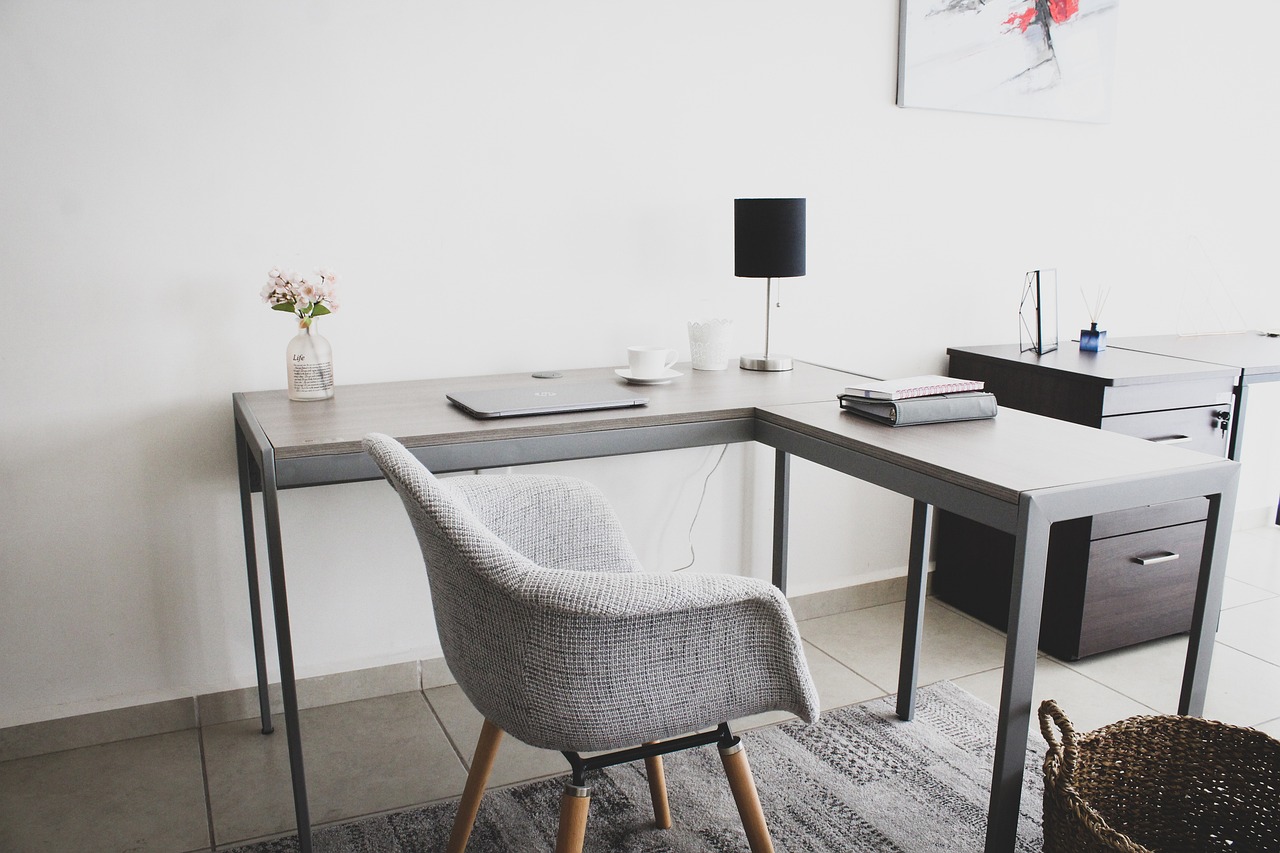
When people think about improving their home office, they usually think about furniture. A better chair, a bigger monitor, a standing desk. These matter, but there is another layer that gets far less attention: the sensory environment. Light, sound, and temperature shape how you feel and how well you concentrate, and they are often easier and cheaper to adjust than buying new equipment.
Think about the last time you felt inexplicably tired at your desk. Was the room dim? Was it stuffy? Was there a hum from a fridge or a neighbor's lawnmower? These small environmental factors can drain your energy without you noticing the cause.
Light Is the Strongest Signal Your Brain Receives
Natural light is the gold standard. If you can position your desk near a window without sitting in direct glare, do it. Morning light in particular helps regulate your sleep-wake cycle and makes you feel more alert. If you cannot get natural light, or if you work in the evening, use a bright lamp with a warm-to-neutral color temperature. Avoid harsh overhead fluorescent lighting, which can feel clinical and tiring.
Also pay attention to contrast. If your screen is much brighter than the room around it, your eyes strain to adjust. A small bias light behind your monitor, or simply a lamp on the desk, can reduce that contrast and make long sessions more comfortable.
For evening work, shift toward warmer, dimmer light. Bright blue light late in the day tells your brain it is still daytime and can make it harder to fall asleep. If you must work late, use a lamp rather than the overhead light and consider a night mode on your screen.
Sound and Temperature Are Subtler Than You Think
Sound is personal. Some people focus best in silence, others need a steady hum of background noise. The key is consistency. Sudden noises, like a door slamming or a phone ringing, are far more disruptive than a constant sound, even if the constant sound is louder. If your environment is unpredictable, a pair of headphones with brown noise or instrumental music can smooth out the spikes.
If you share your home with others, a white noise machine or a fan can mask conversations and keyboard clatter. It is not about blocking all sound; it is about reducing the surprises.
Temperature is the factor people underestimate most. Most people focus best in a range that feels slightly cool rather than warm, somewhere around the low seventies Fahrenheit for many, though this varies. A warm room makes you drowsy; a cold room makes you tense. If you cannot control the thermostat, a small fan or a space heater can help. Layers are your friend, because your needs change throughout the day.
You do not need to perfect all of this at once. Pick one thing this week, maybe a lamp or a fan, and see how it changes your afternoons. The best home office is not the most expensive one. It is the one that quietly supports the work you are trying to do.