
 Ending the workday on purpose is the most underrated productivity habit for remote workers.
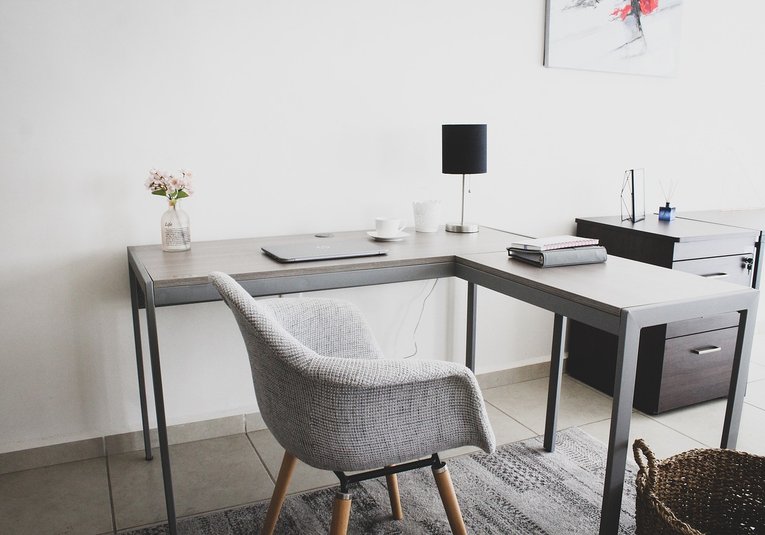
Why Your Best Ideas Show Up in the Shower and How to Invite Them to Your Desk
Ask anyone where they get their best ideas and you will hear the same answers. In the shower. On a walk. While washing dishes. Almost never at the desk, staring at a screen, trying to force it. There is a reason for that, and it is not magic.
When you are doing something repetitive and low-stakes, your attention loosens. Your mind starts to wander, connect dots, and revisit problems from angles you would never reach while actively grinding. This is where a lot of quiet problem-solving happens. The catch is that modern remote work is designed to eliminate exactly these moments.
Frictionless Days Leave No Room to Think
Think about a typical remote workday. You wake up and check your phone. You open your laptop and start on email. Between tasks, you scroll. During lunch, you watch something. On a walk, you listen to a podcast. Every gap gets filled with input.
That is not a character flaw. It is the default setting of the tools around you. Every app is designed to capture the small spaces in your day, and they are very good at it. The problem is that those small spaces are where your brain does its background work.
You do not need to become a monk or throw your phone in a lake. You just need to reclaim a few gaps. The goal is not to be bored all day. It is to give your mind a little unstructured time so it can do the work that focus alone cannot.
Build Small Pockets of Nothing Into Your Day
Start with one or two moments that are already part of your routine. The walk to get coffee. The five minutes after a call ends. The stretch break in the afternoon. In those moments, resist the urge to reach for your phone. Let your mind drift.
You can also make your environment a little less stimulating. If you always have music or a show on in the background, try silence for part of the day. If your desk is covered in visual clutter, clear a small area. If you take walks with headphones, leave them at home once in a while. These are small changes, but they open up space.
It also helps to keep a way to capture ideas nearby. A notebook on the desk, a voice memo app, a single note file. When something surfaces during a walk or a shower, you want to be able to catch it before it slips away. You are not trying to force ideas. You are just making sure the good ones do not get lost.
The irony is that the more you try to be productive every minute, the less room you leave for the thinking that actually moves things forward. A little deliberate emptiness is not wasted time. It is where the work gets its shape.