
 When your office is also your living room, a few physical boundaries can keep work from quietly taking over your whole home.

The Case for a Second Screen You Rarely Use
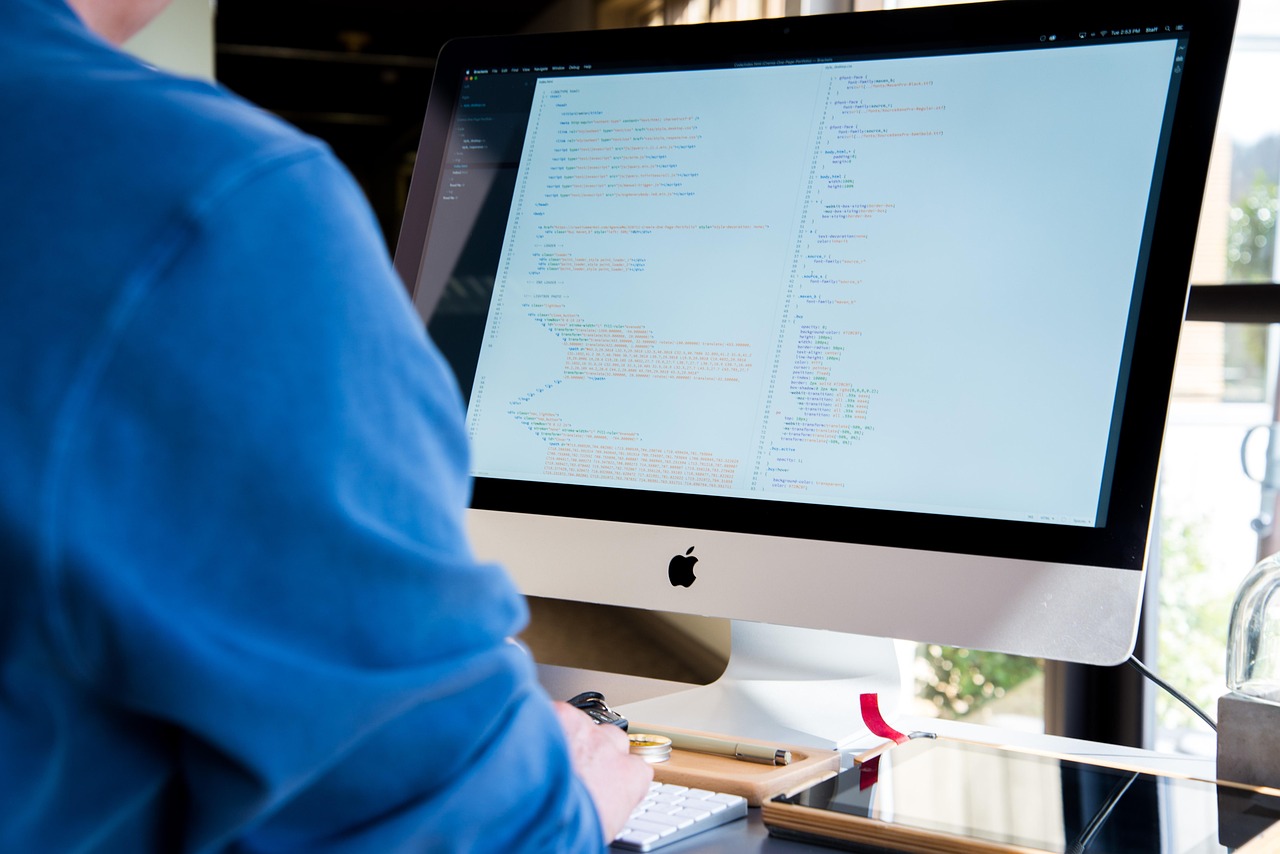
Monitor advice for remote workers usually goes one of two ways. Either you need a giant ultrawide to replace your laptop screen, or you should embrace minimalism and work off a single display. Both camps have a point, but they miss a middle option that works surprisingly well: a small second screen that does one job.
The idea is not to spread your attention across more pixels. It is to give one specific kind of information a home so it stops interrupting the rest of your work. Used well, a cheap second display can reduce context switching, cut down on window juggling, and make your main screen feel calmer.
What the Second Screen Is Actually For
Most people use a second monitor to see more of the same thing. Email on one side, browser on the other. That is fine, but it does not solve the deeper problem, which is that everything competes for the same visual space.
A better approach is to dedicate the second screen to reference material. A calendar, a project board, a chat window, a document you are working from. It sits off to the side, visible when you glance at it, but not demanding your full attention. Your main screen stays for the thing you are actively doing.
This works because it separates doing from checking. When your chat app lives on the same screen as your document, every notification pulls your eyes away from the work. When it lives on a small side screen, you can glance at it without losing your place. You are not ignoring it. You are just giving it a smaller stage.
You Do Not Need to Spend Much
The good news is that this setup does not require a big purchase. A small portable monitor, an old tablet used as a display, or even a cheap secondary screen from a few years ago will do. The point is not resolution or refresh rate. The point is having a place for passive information to live.
Position matters more than specs. Put the second screen off to the side, slightly lower or angled away from your main view. It should be easy to glance at and easy to ignore. If it sits directly in front of you, it will compete for attention and you will be back to square one.
You can also set it up so the second screen turns off when you are not using it. A quick keyboard shortcut or a physical switch makes it easy to go into single-screen mode for deep work. The screen is a tool, not a permanent fixture. Use it when it helps and turn it off when it does not.
The bigger lesson here is that more screen real estate is not the same as more focus. What matters is giving each kind of information a clear place, so your attention knows where to go. A small second screen, used with intention, can do that better than a larger one ever could.